What Emergency Preparedness Means
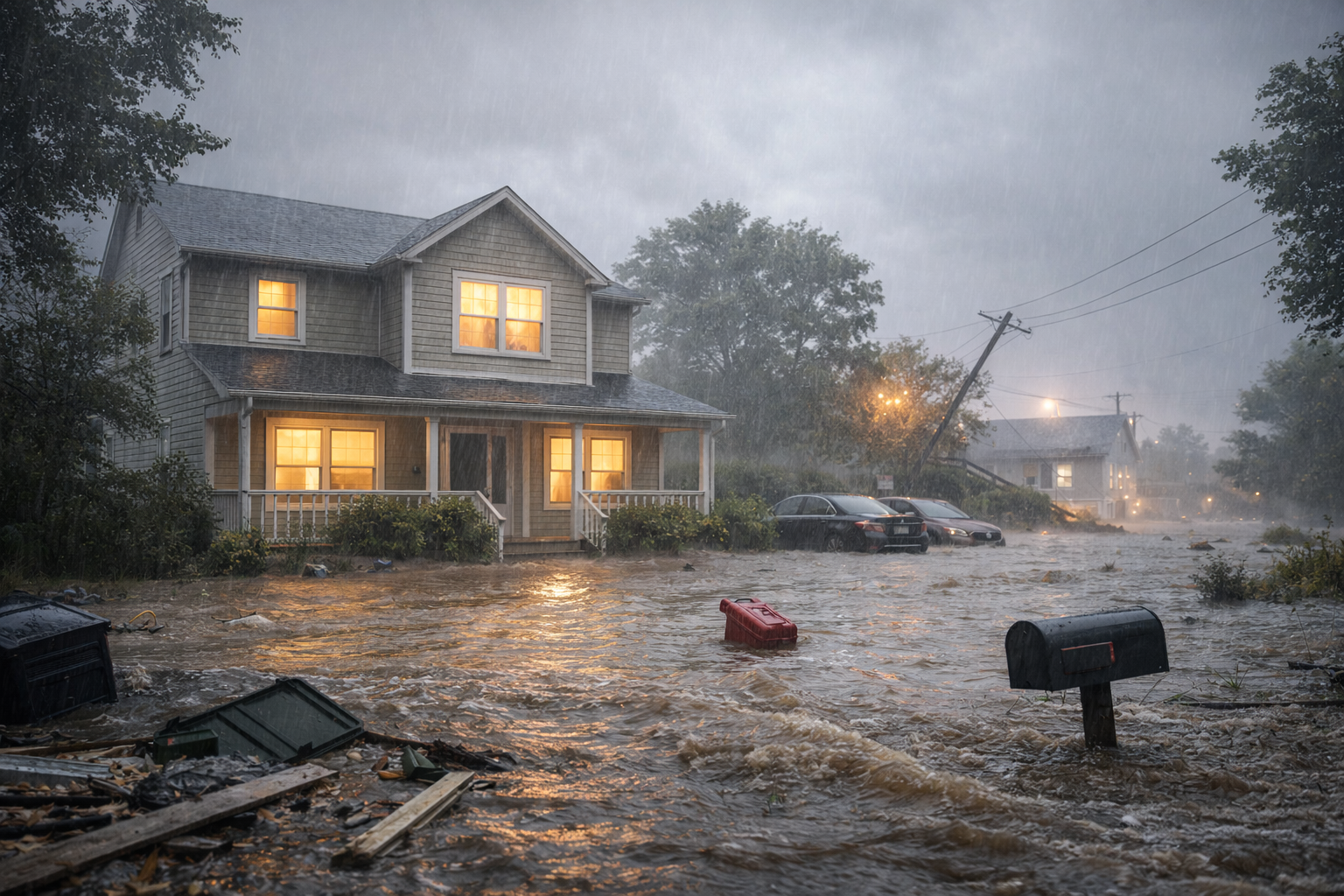
Emergency preparedness is often misunderstood. Many people think it means stockpiling supplies or buying emergency gear. While supplies are important, preparedness is mainly about having a clear plan for how you will respond when normal systems stop working. In most emergencies, the same basic challenges appear: ➡️ Loss of power ➡️ Limited access to stores or services ➡️ Communication disruptions ➡️ Transportation difficulties ➡️ Uncertainty about what will happen next
What You Will Learn
✅ Build Your Personal Emergency Preparedness Plan Understand how your environment, responsibilities, health factors, and daily routines shape what preparedness actually looks like for your household. ✅ Strengthen Your Support Network Identify who you rely on during emergencies and create clear communication plans when normal communication may fail. ✅ Prepare Your Home for Disruptions Learn how to stay functional when services stop, including water, food, power, communication, and hygiene needs. ✅ Plan for the First 72 Hours Understand how to manage the most demanding period of a disruption when information is limited and resources may be difficult to access. ✅ Create a Grab-and-Go Mobility Plan Prepare a grab-and-go bag and evacuation plan so you can leave quickly if conditions require it.
What Makes This Course Different
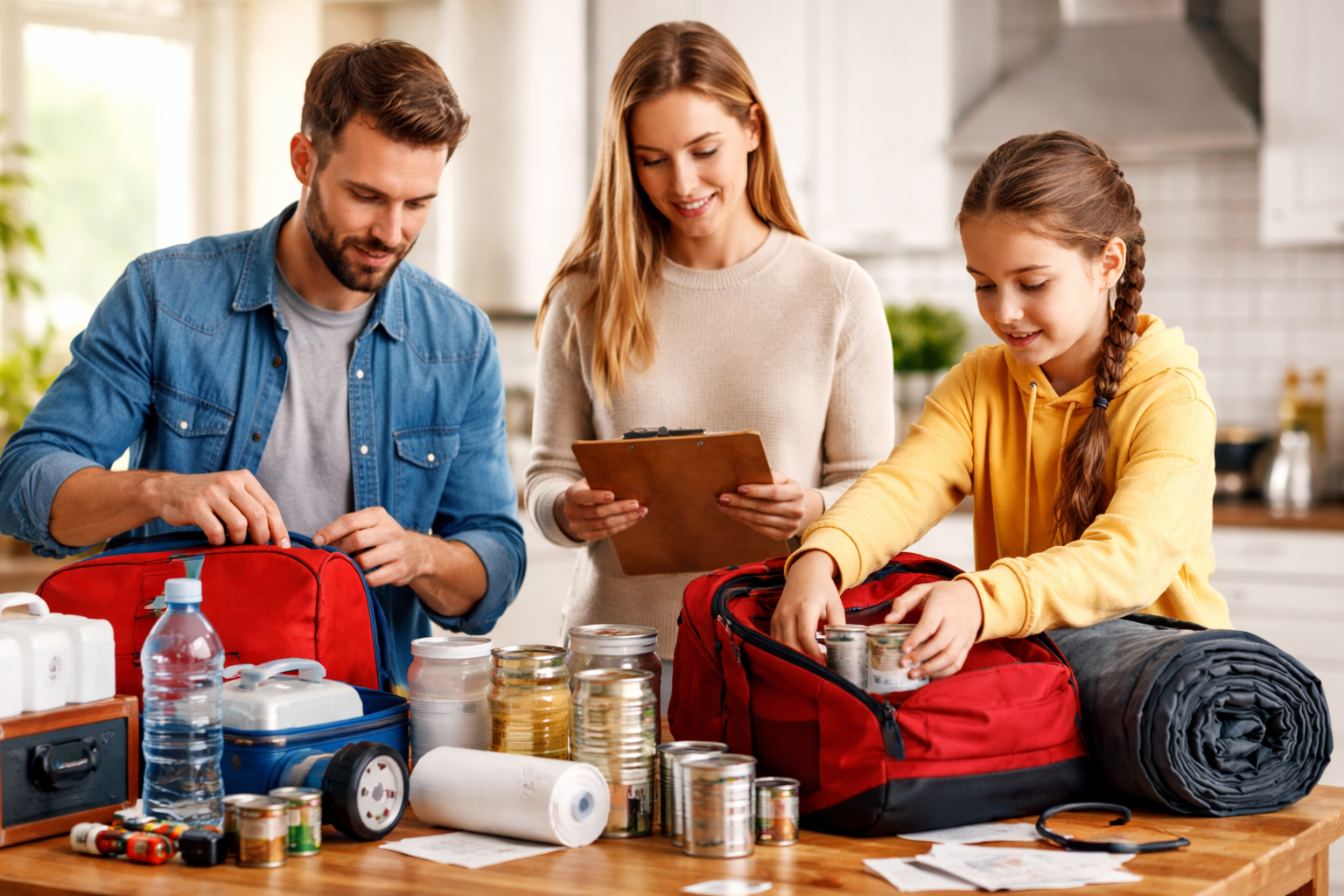
Most preparedness advice focuses on lists of supplies. This course focuses on decision-making and planning. You will learn how to: ➡️ Assess your real situation and risks ➡️ Identify weak points in your current setup ➡️ Make decisions when information is incomplete ➡️ Adapt when conditions change The result is a plan you can actually follow under pressure.
Includes the Emergency Preparedness Workbook
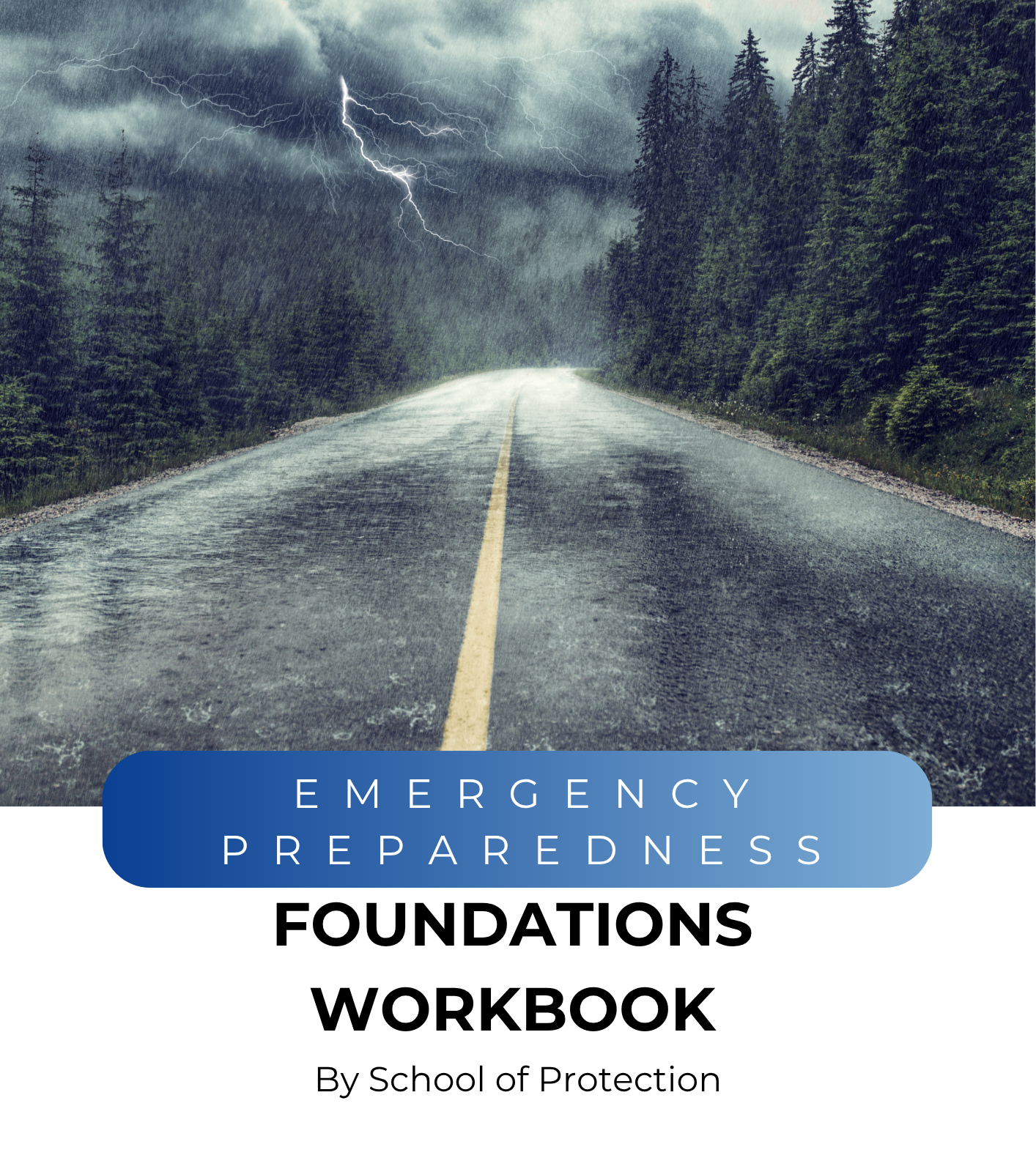
The workbook is where your emergency preparedness plan takes shape. As you move through the course, you will use it to: ➡️ Map your household responsibilities and constraints ➡️ Define your communication and support network ➡️ Assess your home readiness for water, food, power, and information ➡️ Test your plan using realistic scenarios ➡️ Build a clear action plan for staying home or leaving quickly By the end of the course, you will have a written emergency preparedness plan tailored to your household and environment.
Who This Course Is For
This course is designed for individuals and families who want to be better prepared for natural disasters and unexpected disruptions, including power outages, floods, severe storms, and wildfires. You will benefit from this course if you want to: ➡️ Build a clear family emergency preparedness plan ➡️ Prepare your home for natural disasters and service disruptions ➡️ Understand 72-hour emergency preparedness and household readiness ➡️ Create a grab-and-go evacuation plan if you need to leave quickly ➡️ Develop practical preparedness habits that work in real situations No previous training is required.
Why Most Emergency Preparedness Plans Fail
Many households believe they are prepared for emergencies. They have supplies. A flashlight somewhere. Maybe even a basic emergency kit. But during real disruptions, most plans break down for the same reasons. 1. The plan is generic Most preparedness advice is designed for the “average household.” Real households are not average. Location, responsibilities, health factors, and environment all change what preparedness should look like. 2. Supplies are not usable under pressure People often own items they cannot access quickly, do not know how to use, or that require power or setup when time is limited. 3. Communication is assumed, not planned Many plans depend on phones and internet working normally. In real disruptions, communication is often delayed or unavailable. 4. Mobility is not considered Some emergencies require staying home. Others require leaving quickly. Many households prepare for only one of those situations. Preparedness works best when it is simple, realistic, and adapted to your actual circumstances. This course helps you build a plan that holds up when conditions are uncertain.
Emergencies This Course Helps You Prepare For
This course helps households prepare for common disruptions such as: ➡️ Power outages ➡️ Severe storms (winter, summer, or tropical storms) ➡️ Floods ➡️ Wildfires ➡️ Infrastructure failures ➡️ Communication outages ➡️ Evacuation situations The key is having a plan that works regardless of the specific emergency.
The Moment People Realize They Are Not Prepared
For many households, preparedness only becomes real during a disruption. The power goes out. Stores close. Information is unclear. That is when people start asking questions they wish they had answered earlier. Where is our light source? How long can we manage at home? Who do we contact first? What happens if we need to leave quickly? Preparedness is not about predicting every emergency. It is about thinking through these questions before the situation forces you to. This course helps you do exactly that.
Start Building Your Emergency Plan Today
Preparedness does not start during an emergency. It starts before it. Enroll now and start building your emergency preparedness plan.
$79.00